
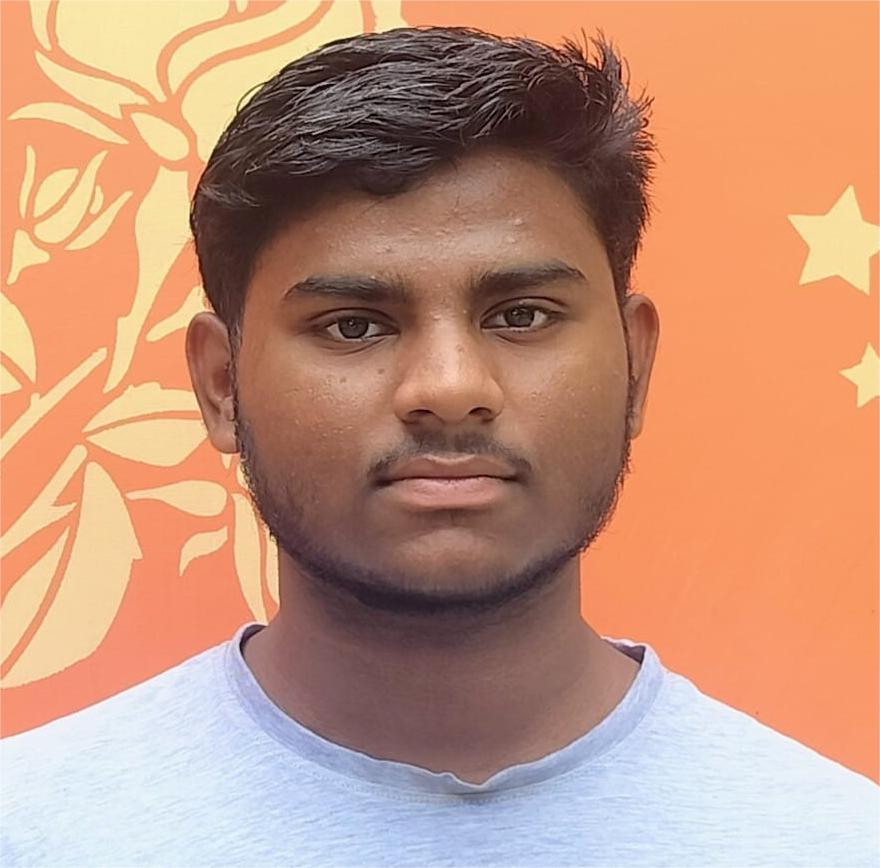
“The Quiet Moves That Build Tomorrow: The Story of Nihal Swarna” |
In the peaceful temple town of Tirupati, amid the rhythm of trains and temple bells, lives a quiet dreamer named Nihal Swarna. Soft-spoken, humble, and deeply focused, Nihal is not just another chess player — he represents the spirit of India’s untold sporting potential: talented, determined, and waiting for opportunity.
A Journey of Talent and Sacrifice
Nihal began playing chess in 2015, when he was just in first standard. What started as an innocent fascination soon transformed into a disciplined pursuit. He earned his first FIDE rating in 2018, only for the pandemic to interrupt his progress for two long years. Now in Intermediate First Year (MPC) at Accords College, Nihal has already achieved what many only dream of — the FIDE Master (FM) title,( currently rated 2300+ ) earned in July 2025 after a string of consistent performances in India and Europe.
But his journey has not been easy. Nihal’s father, Mr. Swarna Srinivasulu, a Railway employee and FIDE Arbiter, has spent nearly all his savings to support his son’s tournaments and travel. His mother, Mrs. Swarna Kalpana, ensures he balances his studies with sport. His elder brother, Swara Anand, now studying at IIT Chennai, was also a chess player before choosing an academic path.
This is not merely a family of achievers — it is a family built on discipline, sacrifice, and vision. Every step Nihal takes on the board is backed by his father’s hard work, his mother’s patience, and the belief that excellence deserves opportunity.
The Harsh Reality of Young Indian Talent
Behind Nihal’s composure lies the story of many young sports aspirants in India: a lack of structured early support. In chess, titles like International Master (IM) and Grandmaster (GM) are achieved not through one-time victories, but through continuous participation in international tournaments. Each player must secure “norms” and maintain a rating above 2500. To reach that level, a player typically needs to play 20 or more major international events — most of which are abroad.
Yet, India hosts only a limited number of Grandmaster tournaments annually. With no institutional funding, young players like Nihal rely entirely on family savings and loans. “There are study loans for education,” Nihal says softly, “but not for sport. Incentives come after success, not before it.”
Despite these challenges, Nihal continues to excel. Under the mentorship of Mr. Gopal, a renowned coach from Kerala, he is working tirelessly to refine his play and reach his next goal — becoming a Grandmaster by 2026.
The Corporate Connection: Why This Matters
The Government of India’s CSR policy (Schedule VII of the Companies Act, 2013) includes “Promotion of sports, including rural and nationally recognized sports” as a defined CSR activity. Yet, most CSR investments focus on infrastructure or events — rarely on individual talent development. Supporting athletes like Nihal offers a unique opportunity for corporates to create real, measurable impact:
It helps India nurture global-level champions in intellectual sports like chess.
It promotes youth leadership, focus, and decision-making skills, aligning with CSR goals on youth empowerment.
It builds national pride and international recognition for India.
It reflects the brand’s commitment to equity, inclusion, and sustainable talent development.
For a company, adopting a young chess talent like Nihal is not charity — it’s a visionary partnership. A modest annual sponsorship can help fund training, coaching, international tournament participation, and equipment — directly transforming the trajectory of a player’s life and contributing to India’s sporting ecosystem.
A Model of What Corporate CSR Can Achieve
Countries like Russia, China, and the U.S. have long invested in identifying and supporting sports prodigies from an early age. The results are evident — consistent Olympic and world championship success. India, today, stands at a similar turning point. With World Champions Gukesh and Divya leading the way, our nation is ready for a generation of homegrown champions — if given timely support.
Companies such as ONGC, Indian Oil, Bharat Petroleum, LIC, and Railways have historically supported established athletes through employment and funding. But as Nihal points out, “Those opportunities come after titles. What we need now is help before — during the years of struggle, when the dream is still taking shape.”
The Character of the Dreamer
What sets Nihal apart is not only his skill but his character. During a FIDE-rated event in Kurnool, he was seen assisting organizers — setting up clocks and boards, mentoring young players, and discussing games as a friend, not a master. His humility reflects the discipline that chess instills — patience, respect, and silent strength.
A Shared Vision for the Future
Nihal dreams of becoming a Grandmaster by 2026, and eventually, a World Champion. Whether or not that dream is fulfilled, his words embody the soul of a true sportsperson:
“I may or may not reach the top, but I’ll give my best. Like Dr. Abdul Kalam said — dream big and work for it with all your heart.”
By adopting Nihal — or young talents like him — corporate India has the power to turn such dreams into national pride. Each sponsorship, each act of faith, builds not just a player — but the spirit of a nation that believes in its children.
A Call to Action
Let us, as a nation and as responsible corporates, move from rewarding success to enabling it. Let us identify, support, and nurture the Nihals of India — the quiet dreamers whose discipline, humility, and brilliance reflect the very values our organizations stand for.
Because when a young mind makes the right move, the whole nation wins.
|